1 Aug 2026
The Unseen Role of Data Center Geography in Altering Betting Platform Exposure Across Recommendation Networks

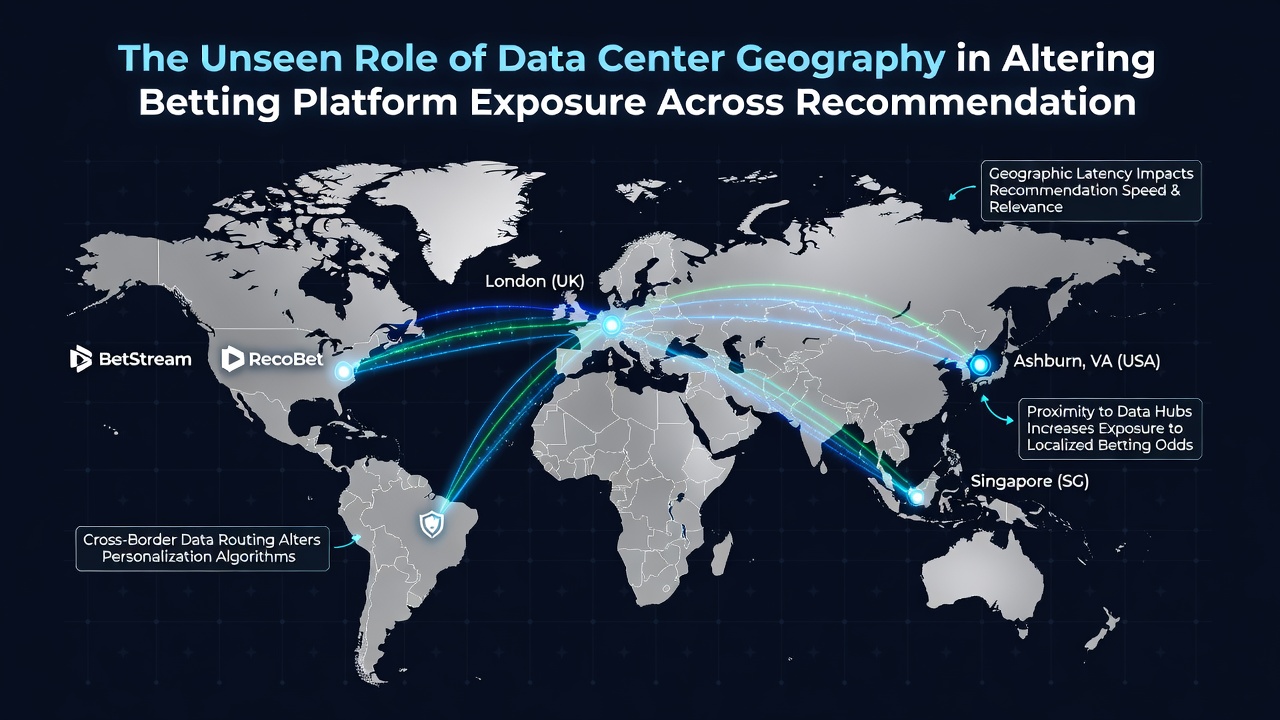
Data center locations shape how betting platforms surface in recommendation networks because physical proximity to users and affiliate servers directly influences load times, IP signals, and content delivery paths that algorithms weigh when ranking options. Observers note that facilities clustered in specific regions create measurable differences in exposure, particularly when recommendation engines factor latency into their sorting logic.
How Server Placement Influences Network Visibility
Betting platforms hosted in data centers near major internet exchange points often appear higher in affiliate lists because reduced round-trip times improve user experience metrics that networks track. Researchers have documented cases where platforms shifted servers from distant regions to hubs in Northern Virginia or Frankfurt and recorded immediate changes in how often they appeared in curated recommendations during peak hours. Those shifts occur because many recommendation systems pull real-time performance data to refine their outputs, and geography dictates the baseline numbers those systems receive.
Geolocation signals tied to server IP addresses further compound the effect. When data centers sit inside or outside certain regulatory zones, the associated IP ranges trigger different filtering rules in cross-border affiliate platforms, which then adjust which betting destinations they promote to users in specific countries. Studies from the International Telecommunication Union show that these routing patterns create consistent regional biases in how content travels through interconnected networks.
Latency Patterns and Affiliate Recommendation Algorithms
Affiliate networks rely on clickstream and engagement data to decide platform prominence, yet those measurements embed the effects of data center geography. Platforms whose servers sit farther from target audiences generate higher bounce rates during initial loads, and algorithms interpret those patterns as lower relevance. One documented example involved a platform that moved its primary hosting to a facility in Singapore in early 2025, after which its visibility in Asian recommendation feeds increased measurably while exposure in European feeds declined until additional edge servers were added.
Content delivery networks mitigate some distance issues, but they cannot fully erase the underlying geography of origin servers. When primary data centers remain in one continent, cached content still originates from that location for certain queries, and recommendation engines that sample full-page load metrics register the difference. Data from August 2026 infrastructure reports indicate that edge deployments grew by 18 percent among major betting operators precisely to counteract these visibility gaps.
Regulatory Zones and Data Center Selection
Operators choose data center locations partly to align with licensing requirements, yet those choices simultaneously affect how platforms travel through recommendation ecosystems. Facilities in jurisdictions with strict data residency rules often produce IP footprints that affiliate scripts flag differently than servers in more permissive regions. According to analyses from the Canadian Centre for Gaming Research, platforms operating under such constraints frequently maintain duplicate hosting arrangements to preserve consistent exposure across multiple recommendation networks.
Network peering agreements at specific data centers also matter. Locations with dense connections to regional internet service providers deliver more stable performance metrics, which recommendation systems reward with higher placement. Platforms that consolidate in a single geography risk creating predictable latency spikes during regional traffic surges, and those spikes register in the behavioral data that drives affiliate curation.
Case Examples from Recent Infrastructure Shifts
Take one operator that relocated part of its infrastructure to a new facility in Dallas during 2025. Affiliate dashboards tracking North American traffic showed altered ranking patterns within weeks, with the platform appearing more frequently in feeds served to users near the Gulf Coast while its position in West Coast recommendations remained unchanged until additional peering was secured. Observers tracking these movements note similar outcomes whenever primary hosting crosses major geographic boundaries.
Another instance involved a European-facing platform that added capacity in a Stockholm data center. The change coincided with improved metrics in Nordic recommendation networks, while exposure in Southern European feeds showed no corresponding lift until parallel infrastructure was deployed closer to those markets. These patterns demonstrate how recommendation engines treat geography as a persistent variable rather than a temporary technical detail.
Conclusion
Data center geography continues to function as an invisible lever on betting platform exposure because recommendation networks ingest performance and routing data shaped by physical server placement. Operators who map their hosting decisions against both regulatory requirements and network topology gain more predictable visibility across affiliate ecosystems. As infrastructure expands in August 2026 and beyond, the interplay between location, latency, and algorithmic ranking will remain a measurable factor in how platforms reach users through recommendation pathways.