13 Aug 2026
The Interplay Between Device Type Selection and Session Duration Lengths in Online Wagering Activities
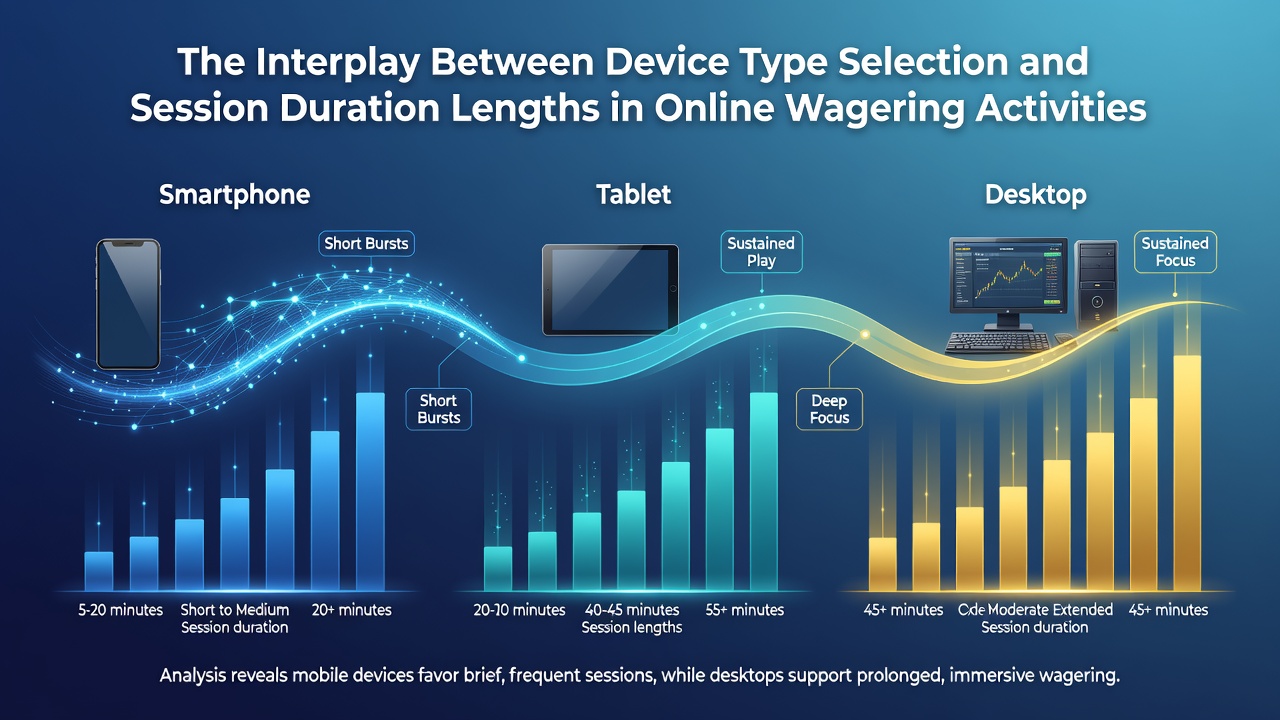
Device selection shapes how long users stay engaged during online wagering sessions, and researchers tracking these patterns have documented clear differences based on whether participants choose smartphones, tablets or desktop computers. Mobile devices often lead to shorter bursts of activity because users access platforms while commuting or during brief breaks, whereas desktop sessions tend to extend further as participants settle into dedicated environments at home or in offices. Data collected across multiple markets shows these variations hold steady even as overall participation numbers rise through 2026.
Patterns in Device Usage Across Platforms
Analysts reviewing engagement metrics find that mobile phones account for the majority of logins in most regions, yet those same sessions rarely match the length recorded on larger screens. Tablets occupy a middle ground where session times sit between mobile and desktop figures, reflecting a mix of portability and screen real estate that encourages sustained play. Operators monitoring traffic in August 2026 noted continued growth in mobile volume, while desktop remained the choice for users seeking extended interaction with complex betting interfaces and live dealer options.
Studies compiled by the American Gaming Association highlight how interface design on each device influences these outcomes. Touch-based controls on phones streamline quick bets but limit deeper navigation, which in turn caps average duration. Desktop setups, by contrast, support multiple windows and detailed statistics that keep participants active longer once they commit to a session.
Factors Driving Duration Differences
Connection stability and screen size contribute directly to how long sessions last once a user selects a device. Mobile connections fluctuate more often in public spaces, prompting shorter visits, while stable home broadband on desktops allows uninterrupted streaks. Observers note that push notifications also play a role, interrupting mobile users mid-session at higher rates than desktop participants who typically disable such alerts during focused play periods.
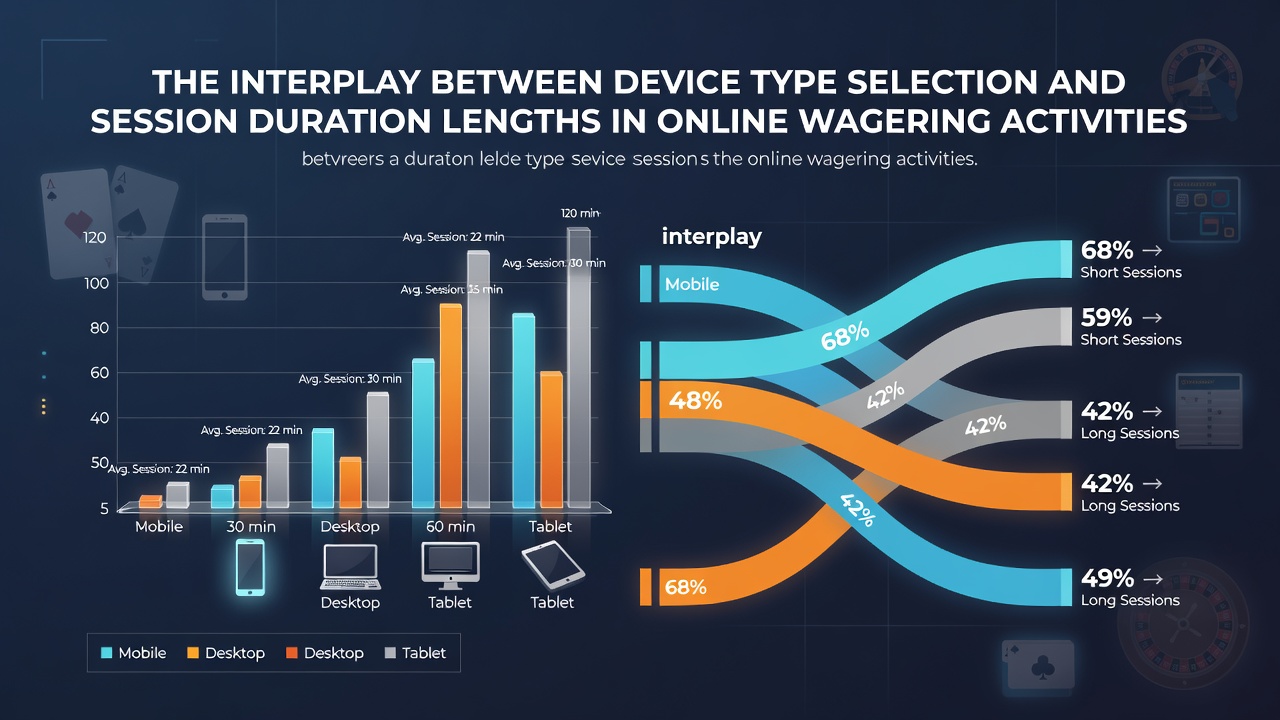
Behavioral data from Canadian provincial regulators and Australian state commissions reveals similar splits, with desktop users logging sessions that run 40 to 60 percent longer on average than mobile counterparts. These differences persist across sports betting, casino games and poker formats, suggesting the pattern stems from hardware and environment rather than game type alone. Payment processing steps further extend desktop sessions because users often review transaction histories in greater detail before confirming deposits or withdrawals.
Regional Data and Platform Adjustments
European operators have adjusted promotional timing to match device-driven habits, scheduling bonus offers during peak mobile windows while reserving loyalty rewards for desktop users who demonstrate longer engagement. Reports from the Victorian Commission for Gambling and Liquor Regulation in Australia indicate that session length data helps platforms refine responsible gambling prompts, placing them at intervals that align with observed mobile versus desktop patterns. In the United States, state-level tracking in markets such as New Jersey and Pennsylvania shows desktop sessions clustering around evening hours when users report fewer distractions.
August 2026 brought updated analytics dashboards from several major operators that further separated device cohorts, allowing finer segmentation of session metrics. These tools confirmed earlier findings that tablet users bridge the gap, producing durations closer to desktop figures during weekend periods when leisure time expands. Cross-border platforms have begun testing device-specific loading sequences to reduce friction that might otherwise shorten mobile visits.
Implications for Analytics and User Tracking
Affiliate networks and platform operators rely on these device-duration correlations when ranking sites and allocating marketing resources. Longer desktop sessions generate higher per-user revenue figures in many datasets, prompting some programs to emphasize desktop-optimized creatives even as mobile traffic volume grows. Research groups at institutions such as the University of Nevada, Las Vegas continue to examine how these trends intersect with responsible gambling tools, noting that shorter mobile sessions sometimes reduce exposure to extended play cycles.
Yet platform adjustments based solely on device type overlook individual variation, and analysts caution that overlapping factors like time of day and game category also shape outcomes. Data sets released in mid-2026 from multiple jurisdictions underscore the value of combining device metrics with broader behavioral signals rather than treating hardware choice in isolation.
Conclusion
Device type selection continues to correlate strongly with session duration lengths in online wagering, with mobile favoring brevity and desktop supporting extended engagement. Platforms and regulators alike track these patterns through expanding data sets that now include August 2026 benchmarks, refining both operational strategies and oversight measures. The interplay remains a key variable for anyone analyzing user behavior across digital wagering environments.