30 May 2026
Red Hawk Resort Casino Details Major Expansion with Dedicated Smoking Pavilion and New Bingo Hall
 The Shingle Springs Band of Miwok Indians owns Red Hawk Resort Casino in Placerville, California, and the tribe announced expansion projects on May 20, 2026 that include a dedicated smoking gaming pavilion along with a separate bingo hall. Construction on the bingo facility has already started while the overall timeline calls for the main casino floor to become smoke-free by early 2027, creating the only non-smoking casino environment in the immediate region. The new smoking gaming pavilion measures approximately 6,200 square feet and will house both slot machines and table games in an enclosed space designed specifically for guests who prefer to smoke while playing. This addition allows the property to maintain options for all visitors without affecting the primary gaming areas that will transition away from smoking. Observers note that such dedicated pavilions have appeared at other tribal gaming facilities across the United States as operators seek to balance regulatory pressures with guest preferences. ## New Bingo Hall Construction Underway
A 4,600-square-foot bingo hall forms another key component of the expansion, with work already progressing toward an expected opening in September 2026. The hall will operate as a standalone venue on the property and adds a traditional gaming format that complements the existing slot and table offerings. Those who have followed tribal casino developments in California point out that bingo remains a steady draw for certain demographic groups even as digital gaming options expand. The placement of the new facilities supports improved operational flow by separating smoking and non-smoking experiences while freeing up space in the main casino for potential future amenities. Data from similar projects at other tribal properties shows that such reconfiguration often leads to higher overall attendance because guests can choose environments that match their preferences without leaving the resort.
The Shingle Springs Band of Miwok Indians owns Red Hawk Resort Casino in Placerville, California, and the tribe announced expansion projects on May 20, 2026 that include a dedicated smoking gaming pavilion along with a separate bingo hall. Construction on the bingo facility has already started while the overall timeline calls for the main casino floor to become smoke-free by early 2027, creating the only non-smoking casino environment in the immediate region. The new smoking gaming pavilion measures approximately 6,200 square feet and will house both slot machines and table games in an enclosed space designed specifically for guests who prefer to smoke while playing. This addition allows the property to maintain options for all visitors without affecting the primary gaming areas that will transition away from smoking. Observers note that such dedicated pavilions have appeared at other tribal gaming facilities across the United States as operators seek to balance regulatory pressures with guest preferences. ## New Bingo Hall Construction Underway
A 4,600-square-foot bingo hall forms another key component of the expansion, with work already progressing toward an expected opening in September 2026. The hall will operate as a standalone venue on the property and adds a traditional gaming format that complements the existing slot and table offerings. Those who have followed tribal casino developments in California point out that bingo remains a steady draw for certain demographic groups even as digital gaming options expand. The placement of the new facilities supports improved operational flow by separating smoking and non-smoking experiences while freeing up space in the main casino for potential future amenities. Data from similar projects at other tribal properties shows that such reconfiguration often leads to higher overall attendance because guests can choose environments that match their preferences without leaving the resort. 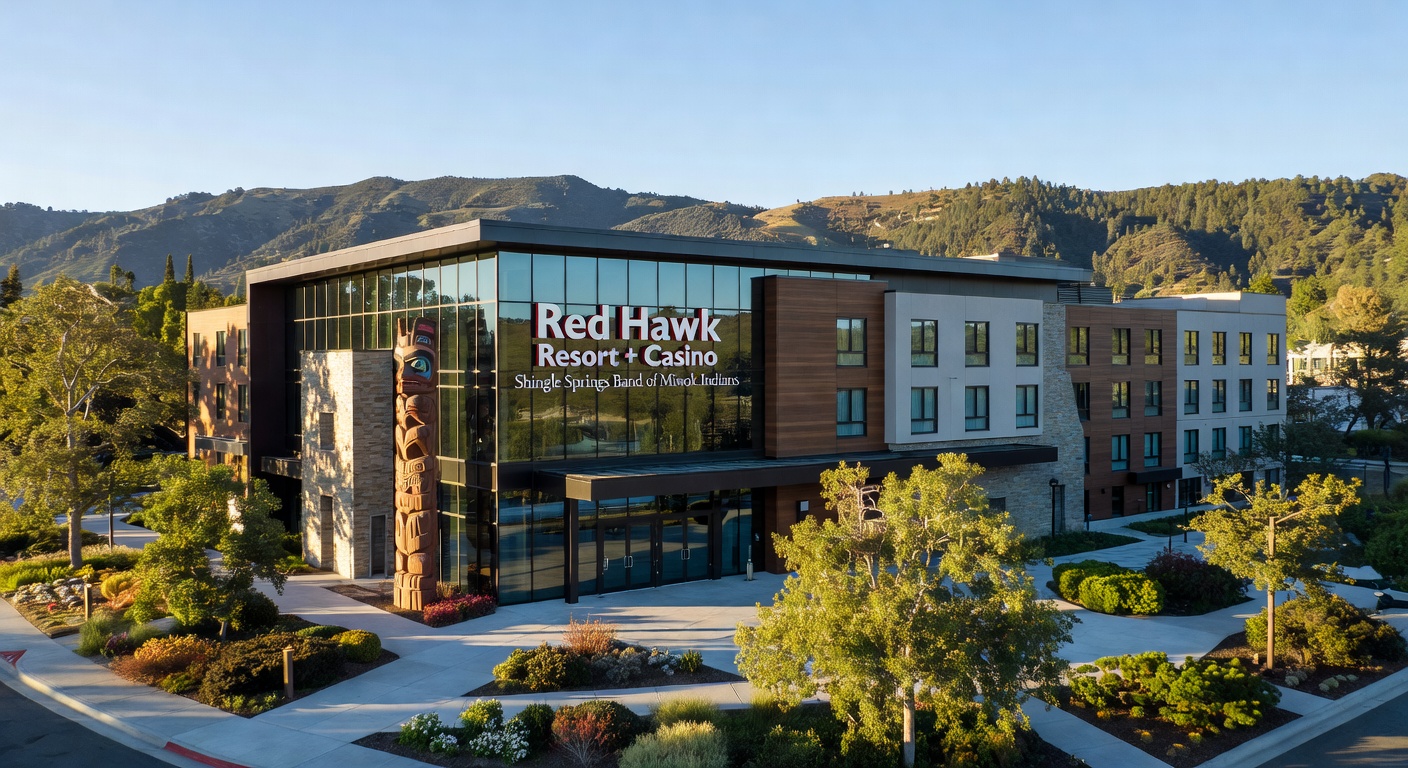 ## Transition to Smoke-Free Main Operations
By early 2027 the main casino floor and primary areas will operate under smoke-free conditions, a change the ownership group states will enhance air quality and guest comfort across the property. The move positions Red Hawk Resort Casino as the only non-smoking casino in its local market, a distinction that aligns with broader trends in California gaming facilities where smoke-free policies have gained traction in recent years. According to the Sacramento Business Journal, the phased approach allows time for construction and guest communication before the full transition takes effect. The Shingle Springs Band of Miwok Indians has managed Red Hawk Resort Casino since its opening and continues to oversee all development decisions. Tribal gaming operations in California fall under compacts with the state that set standards for responsible gaming practices and facility improvements. The current projects reflect ongoing investment in infrastructure that supports both traditional and evolving guest expectations. ## Regional Context and Operational Benefits
Placerville sits in El Dorado County roughly 45 miles east of Sacramento, placing Red Hawk Resort Casino within driving distance of several population centers in Northern California. The expansions come at a time when regional gaming competition includes both tribal and commercial properties, making differentiation through amenities and environment a practical strategy. Those tracking industry reports from the National Indian Gaming Commission have noted steady capital investment by California tribes in facility upgrades that address comfort, technology, and regulatory compliance. The combination of the smoking pavilion, new bingo hall, and smoke-free main floor gives the resort greater flexibility for future additions such as expanded dining, entertainment venues, or lodging options. Construction timelines indicate the bingo hall will open first in September 2026, followed by completion of the smoking pavilion and the smoke-free transition in early 2027. Project updates from the tribe indicate coordination with local building authorities to meet all applicable codes for ventilation, accessibility, and safety. ## Guest Experience and Future Planning
Red Hawk Resort Casino currently offers hotel accommodations, multiple dining venues, and a range of gaming options that attract both local residents and visitors from the broader Sacramento metropolitan area. The addition of distinct smoking and non-smoking gaming zones addresses feedback collected through guest surveys at comparable properties, where separation of environments often correlates with longer visit durations and higher satisfaction scores. The new bingo hall introduces another layer of variety that appeals to players seeking scheduled games with social components. Industry organizations such as the California Nations Indian Gaming Association have tracked similar modernization efforts across tribal casinos in the state, noting that targeted expansions help properties remain competitive while meeting changing regulatory and consumer standards. The Red Hawk projects follow this pattern by creating physical separation between smoking and non-smoking spaces rather than eliminating options outright. ## Conclusion
The May 2026 announcement from the Shingle Springs Band of Miwok Indians outlines a clear sequence of developments at Red Hawk Resort Casino that will unfold through 2027. With the smoking gaming pavilion, the 4,600-square-foot bingo hall slated for September 2026, and the smoke-free conversion of main areas by early 2027, the property is implementing changes that separate experiences while preserving choice for guests. These steps maintain the resort's position in the Northern California gaming landscape and set the stage for continued adaptation to visitor needs and operational requirements.
## Transition to Smoke-Free Main Operations
By early 2027 the main casino floor and primary areas will operate under smoke-free conditions, a change the ownership group states will enhance air quality and guest comfort across the property. The move positions Red Hawk Resort Casino as the only non-smoking casino in its local market, a distinction that aligns with broader trends in California gaming facilities where smoke-free policies have gained traction in recent years. According to the Sacramento Business Journal, the phased approach allows time for construction and guest communication before the full transition takes effect. The Shingle Springs Band of Miwok Indians has managed Red Hawk Resort Casino since its opening and continues to oversee all development decisions. Tribal gaming operations in California fall under compacts with the state that set standards for responsible gaming practices and facility improvements. The current projects reflect ongoing investment in infrastructure that supports both traditional and evolving guest expectations. ## Regional Context and Operational Benefits
Placerville sits in El Dorado County roughly 45 miles east of Sacramento, placing Red Hawk Resort Casino within driving distance of several population centers in Northern California. The expansions come at a time when regional gaming competition includes both tribal and commercial properties, making differentiation through amenities and environment a practical strategy. Those tracking industry reports from the National Indian Gaming Commission have noted steady capital investment by California tribes in facility upgrades that address comfort, technology, and regulatory compliance. The combination of the smoking pavilion, new bingo hall, and smoke-free main floor gives the resort greater flexibility for future additions such as expanded dining, entertainment venues, or lodging options. Construction timelines indicate the bingo hall will open first in September 2026, followed by completion of the smoking pavilion and the smoke-free transition in early 2027. Project updates from the tribe indicate coordination with local building authorities to meet all applicable codes for ventilation, accessibility, and safety. ## Guest Experience and Future Planning
Red Hawk Resort Casino currently offers hotel accommodations, multiple dining venues, and a range of gaming options that attract both local residents and visitors from the broader Sacramento metropolitan area. The addition of distinct smoking and non-smoking gaming zones addresses feedback collected through guest surveys at comparable properties, where separation of environments often correlates with longer visit durations and higher satisfaction scores. The new bingo hall introduces another layer of variety that appeals to players seeking scheduled games with social components. Industry organizations such as the California Nations Indian Gaming Association have tracked similar modernization efforts across tribal casinos in the state, noting that targeted expansions help properties remain competitive while meeting changing regulatory and consumer standards. The Red Hawk projects follow this pattern by creating physical separation between smoking and non-smoking spaces rather than eliminating options outright. ## Conclusion
The May 2026 announcement from the Shingle Springs Band of Miwok Indians outlines a clear sequence of developments at Red Hawk Resort Casino that will unfold through 2027. With the smoking gaming pavilion, the 4,600-square-foot bingo hall slated for September 2026, and the smoke-free conversion of main areas by early 2027, the property is implementing changes that separate experiences while preserving choice for guests. These steps maintain the resort's position in the Northern California gaming landscape and set the stage for continued adaptation to visitor needs and operational requirements.