9 Jul 2026
Patterns in Mobile App Integration Among Leading Gambling Operators Worldwide
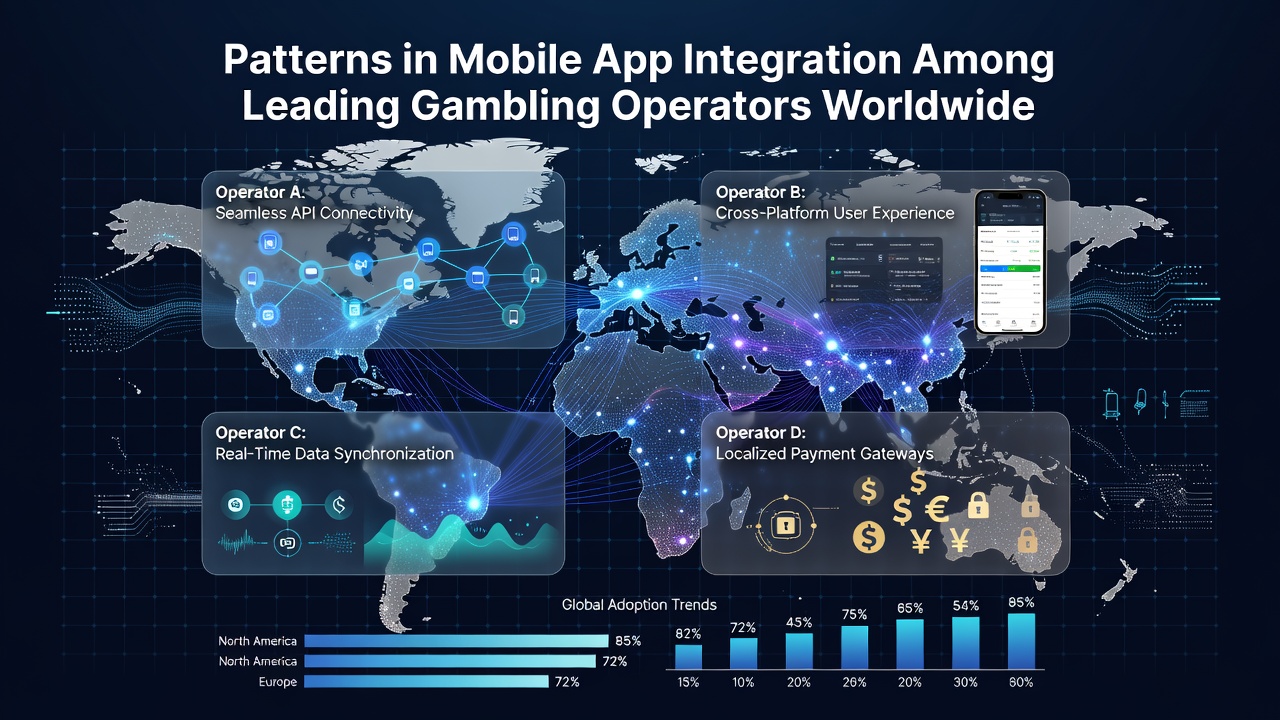
Leading gambling operators have accelerated mobile app integration across multiple jurisdictions since 2024, with data from industry analyses showing that over 70 percent of top-tier platforms now prioritize native applications over web-based alternatives for core user interactions. These patterns emerge through coordinated efforts in payment processing, geolocation verification, and real-time personalization engines that sync across devices, and observers note that such developments reflect broader shifts in how operators manage cross-border compliance while maintaining seamless experiences.
Global Adoption Rates and Regional Variations
Operators based in Europe, North America, and Asia-Pacific demonstrate distinct yet overlapping approaches to mobile integration, whereas European firms often embed advanced data encryption protocols directly into their apps to align with varying national standards. In contrast, North American entities focus on state-specific licensing modules that activate conditionally based on user location, while Asian-Pacific platforms emphasize rapid deployment of localized language packs and currency converters within the same application framework. Research from the Australian Gambling Research Centre indicates that these regional differences stem from regulatory timelines rather than technological limitations, and figures reveal a steady increase in hybrid models that combine native code with progressive web elements for broader device compatibility.
By July 2026 several operators had rolled out unified app frameworks that handle both regulated and emerging markets through modular add-ons, allowing quick adaptation without full rebuilds. Those who've tracked these rollouts point to streamlined backend architectures that reduce latency during peak usage periods, and data shows that integration success correlates strongly with the number of third-party APIs connected for identity verification and transaction routing.
Technological Components Driving Integration
Mobile apps from prominent operators incorporate layered security features including biometric authentication paired with server-side tokenization, and this combination supports compliance checks without interrupting gameplay flow. Payment gateways integrate through dedicated modules that pull live exchange rates and tax calculations, while geofencing tools operate continuously to restrict access in prohibited zones. Studies from the University of Nevada's gaming research division highlight how these components work together, and the findings demonstrate that operators using centralized cloud services achieve faster update cycles compared to those relying on on-premise servers.
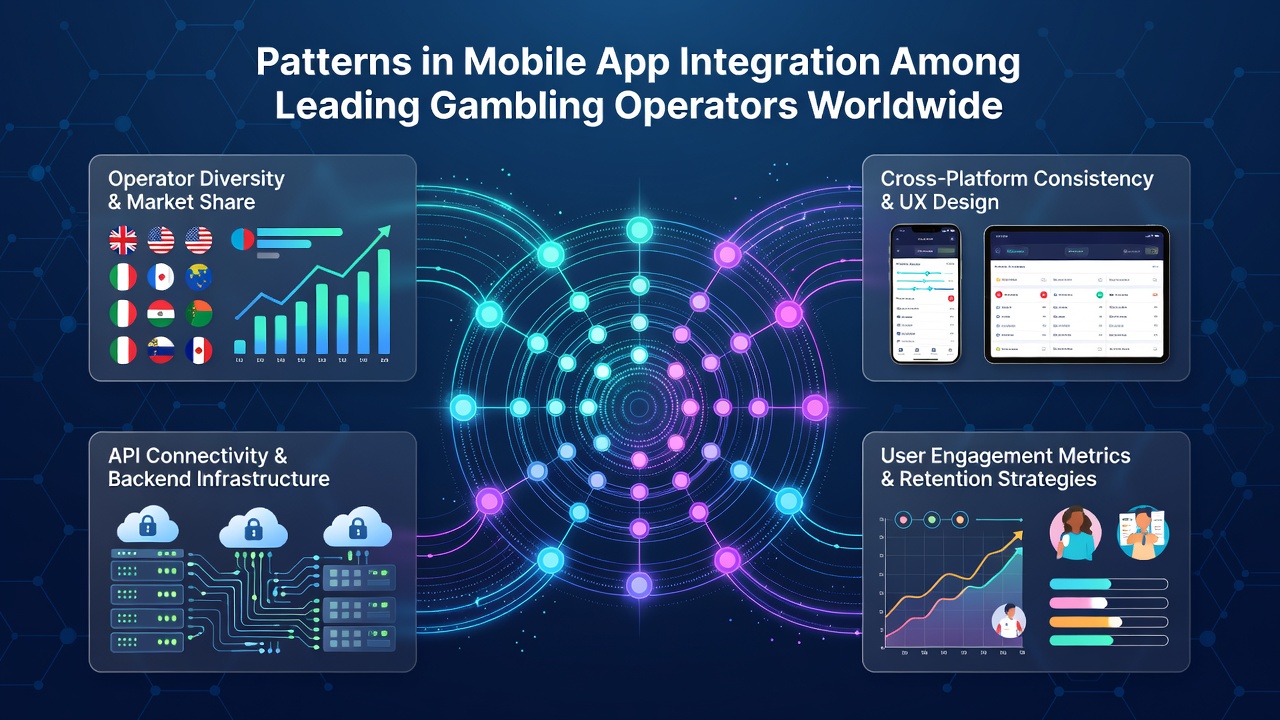
What's interesting is the growing reliance on artificial intelligence for predictive load balancing within apps, where algorithms adjust content delivery based on historical user behavior patterns across similar devices. This approach reduces server strain during major sporting events or promotional windows, and evidence from multiple deployments shows measurable improvements in session retention metrics. Operators also embed feedback loops that collect anonymized usage data to refine future iterations, creating a cycle of incremental enhancements rather than periodic overhauls.
Case Examples from Key Markets
Take one major operator active in both the United States and Canada that synchronized its app infrastructure across provincial and state boundaries through shared compliance libraries, and this allowed simultaneous launches in newly authorized regions without duplicating development work. In another instance, an Asian-based group expanded its app reach into European territories by partnering with local payment processors that supplied region-specific integration hooks, and records from those expansions indicate reduced approval times during regulatory reviews. Such examples illustrate how leading firms leverage existing app foundations to enter new markets efficiently, and industry reports confirm that shared codebases cut deployment costs by notable margins in most documented cases.
Emerging Patterns and Forward Trajectories
Patterns observed through 2026 point toward deeper integration with wearable devices and voice assistants, where select operators test limited functionality that routes through primary mobile apps as the central hub. These extensions maintain core security protocols while expanding touchpoints, and preliminary data from pilot programs suggests users engage more frequently when such options become available. Regulatory bodies in multiple regions continue to refine guidelines around these technologies, and operators respond by building flexible code structures that accommodate future adjustments with minimal disruption.
Conclusion
The landscape of mobile app integration among leading gambling operators continues to evolve through targeted technological choices and regulatory adaptations that vary by region yet share common threads in security and efficiency. Data from diverse sources underscores consistent progress in creating interconnected systems that support global operations while respecting local requirements, and ongoing developments suggest these patterns will shape platform strategies well into the next decade.