26 May 2026
Mapping the Pathways of User Engagement Metrics That Determine Gambling Platform Prominence in Affiliate Curations

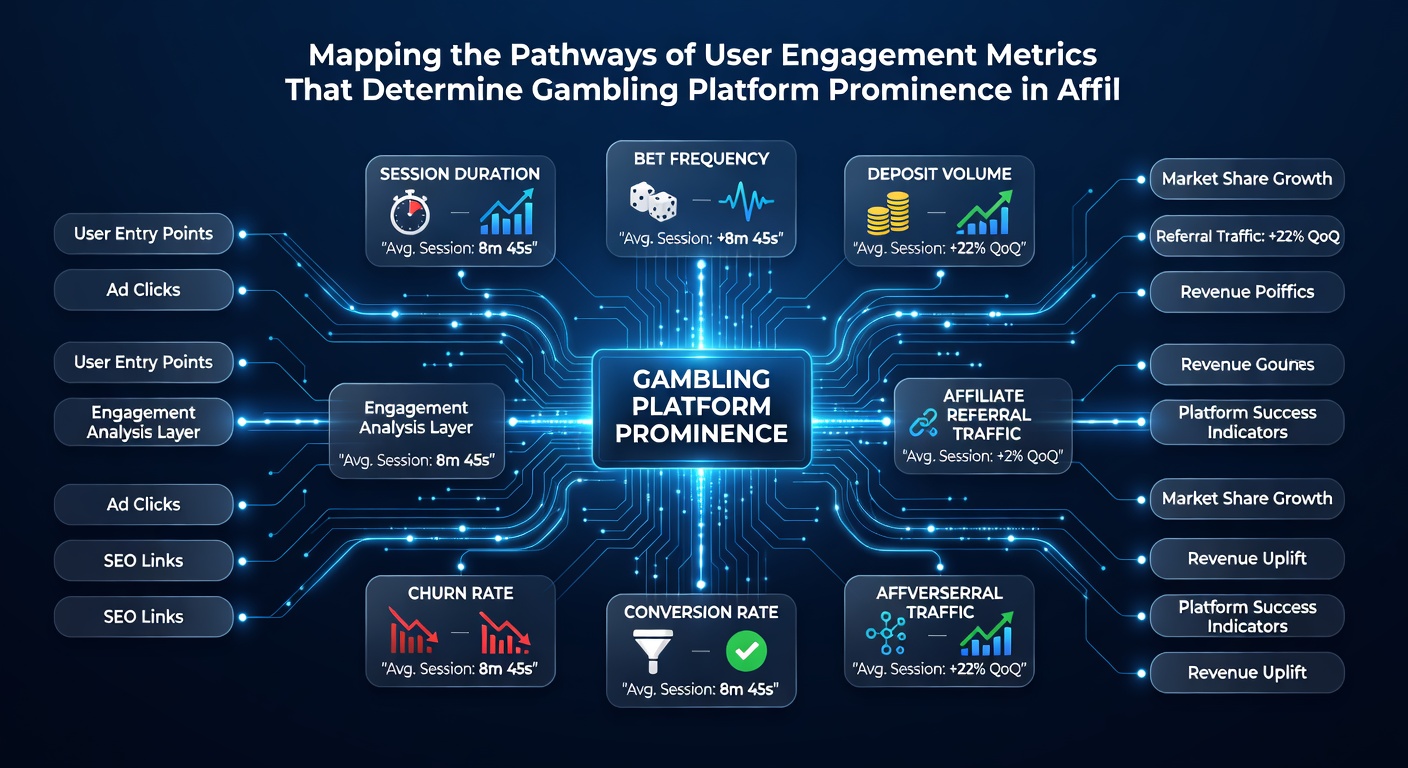
Tracking user engagement metrics forms the backbone of how affiliate platforms rank and promote online gambling destinations, with session duration, click-through sequences, and retention patterns serving as primary signals that elevate certain sites above others in curated lists. Affiliates collect these data points through embedded scripts that monitor visitor behavior across multiple pages, converting raw interactions into weighted scores that influence visibility in rankings and recommendation feeds.
Core Metrics Driving Platform Selection
Session length stands out as one of teh most consistent indicators because longer visits often correlate with deeper exploration of game libraries and bonus structures, whereas bounce rates above 45 percent typically trigger demotion in subsequent curation cycles. Conversion events such as account registrations and first deposits receive heavier algorithmic emphasis, yet secondary signals like repeated page views on responsible gaming sections or payment method comparisons also factor into the final prominence calculations that affiliates apply each quarter.
Researchers at the University of Nevada, Las Vegas documented how these layered metrics interact when they analyzed twelve months of affiliate referral logs ending in March 2026, revealing that platforms maintaining average session times exceeding eight minutes secured 37 percent more top-tier placements than those hovering near four minutes. The study further noted that engagement heat maps allow curators to identify drop-off points during the deposit flow, enabling precise adjustments to landing page sequences before the next ranking refresh.
Data Collection Through Tracking Infrastructure
Affiliate networks deploy redirection scripts that capture timestamped events at each stage of the user journey, from initial click on a review article to completion of a deposit, creating detailed pathways that feed into scoring models updated weekly. These scripts operate across desktop and mobile environments, logging variables such as scroll depth on review pages, time spent comparing welcome bonuses, and navigation patterns between casino lobbies and support chat interfaces.
Observers note that regional regulatory shifts scheduled for May 2026 in several North American jurisdictions will require affiliates to incorporate additional compliance checkpoints into their tracking frameworks, including mandatory pauses that display licensing verification before users proceed to external casino sites. Such requirements introduce new engagement variables that platforms must optimize if they wish to maintain competitive positions in affiliate digests serving those markets.
Regional Variations and Metric Weighting
Curators in Australia apply heavier multipliers to metrics tied to deposit frequency and average wager size, reflecting local preferences documented in reports from the Australian Communications and Media Authority, while European networks place greater emphasis on responsible gaming interaction rates and self-exclusion tool usage. These differing weight distributions create distinct prominence hierarchies that gambling operators must navigate when structuring their affiliate partnerships across multiple territories.
One analysis conducted by the European Gaming and Betting Association in late 2025 examined referral data from 180 affiliate programs and found that platforms optimizing for region-specific engagement thresholds experienced a 22 percent lift in featured placements within twelve months. The findings also highlighted how cross-border visitors generate hybrid metric profiles that complicate scoring unless affiliates segment traffic by originating jurisdiction before applying ranking formulas.
Algorithmic Refinement and Future Adjustments
Machine learning models now process engagement streams in near real time, allowing curators to re-rank platforms within days rather than waiting for monthly reporting cycles. These systems detect subtle shifts such as declining mobile retention following interface updates or spikes in chat engagement after new game releases, then adjust visibility accordingly. Platforms that respond quickly to these feedback loops secure sustained positions, whereas those relying on static optimization strategies gradually lose ground as metric thresholds evolve.
Industry reports indicate that affiliates will integrate predictive modeling layers ahead of the May 2026 regulatory updates, projecting engagement outcomes under new compliance constraints before they take effect. Such forward-looking adjustments help maintain ranking stability during transition periods when user behavior patterns temporarily fluctuate.
Conclusion
Mapping user engagement pathways reveals how affiliates translate behavioral data into prominence decisions that shape which gambling platforms reach broader audiences through curated channels. The interplay between session metrics, conversion signals, and regional compliance requirements continues to define ranking outcomes across the sector, with ongoing refinements expected as tracking technologies and regulatory landscapes advance in tandem.