6 Aug 2026
Mapping How Database Query Speeds Shape Casino Visibility Patterns Across Affiliate Recommendation Systems
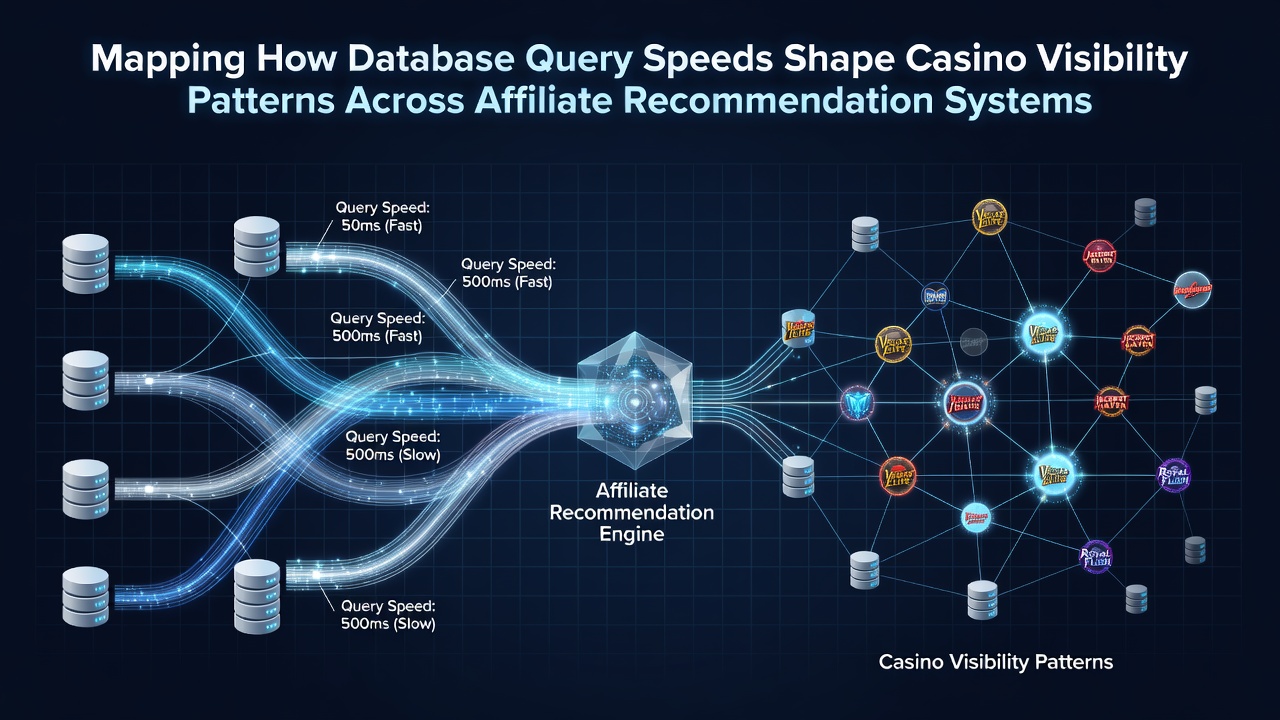
Affiliate recommendation systems for online casinos rely on backend databases to fetch, rank, and display operator options in real time, where query execution speeds directly determine which platforms appear in prominent positions during user searches. Faster queries allow systems to process large datasets of player preferences, bonus structures, and regulatory compliance records without delays, whereas slower operations create bottlenecks that push certain casino entries lower in recommendation feeds. Observers note that these performance differences emerge most clearly when affiliate platforms handle thousands of simultaneous requests, each pulling from tables that store game libraries, payout histories, and regional licensing details.
Database Architecture and Query Optimization Basics
Modern affiliate platforms organize casino data across relational tables that include columns for operator identifiers, average session durations, and geolocation filters, yet the efficiency of join operations and index usage dictates how quickly results return to the frontend. Researchers have documented cases where unoptimized queries involving multiple joins across licensing and bonus tables extend response times beyond acceptable thresholds, causing recommendation engines to default to cached or pre-ranked subsets instead of fresh results. Data shows that indexing strategies focused on frequently queried fields such as license status and player rating scores reduce latency by measurable margins, allowing visibility patterns to reflect current performance rather than outdated snapshots.
Visibility Patterns in Real-Time Curation
Visibility within affiliate ecosystems follows patterns tied to query completion rates, where casinos whose data loads within the first 200 milliseconds gain higher placement probabilities across user sessions. Studies indicate that platforms serving European markets experience distinct visibility shifts compared with those targeting North American audiences because regulatory data fields differ in complexity and volume. One analysis of recommendation logs revealed that operators with comprehensive compliance records appear more frequently when query speeds permit full dataset scans, whereas those with incomplete entries drop in rankings during peak traffic periods. This dynamic becomes particularly evident during high-volume periods such as major sporting events, when affiliate systems must cross-reference live odds feeds with static casino profiles.
Regional Differences and August 2026 Developments
By August 2026, several jurisdictions had expanded digital licensing frameworks that increased the number of data points affiliate databases must process for each recommendation request. Australian regulatory updates, for instance, introduced additional responsible gaming metrics that expanded table schemas and required more complex filtering logic during query execution. Similar expansions occurred in Canadian provincial frameworks, where new reporting requirements for player fund segregation added further columns that slowed unindexed searches. Affiliate operators responded by deploying read-replica architectures that distribute query loads, thereby stabilizing visibility patterns for compliant casinos even as dataset sizes grew.
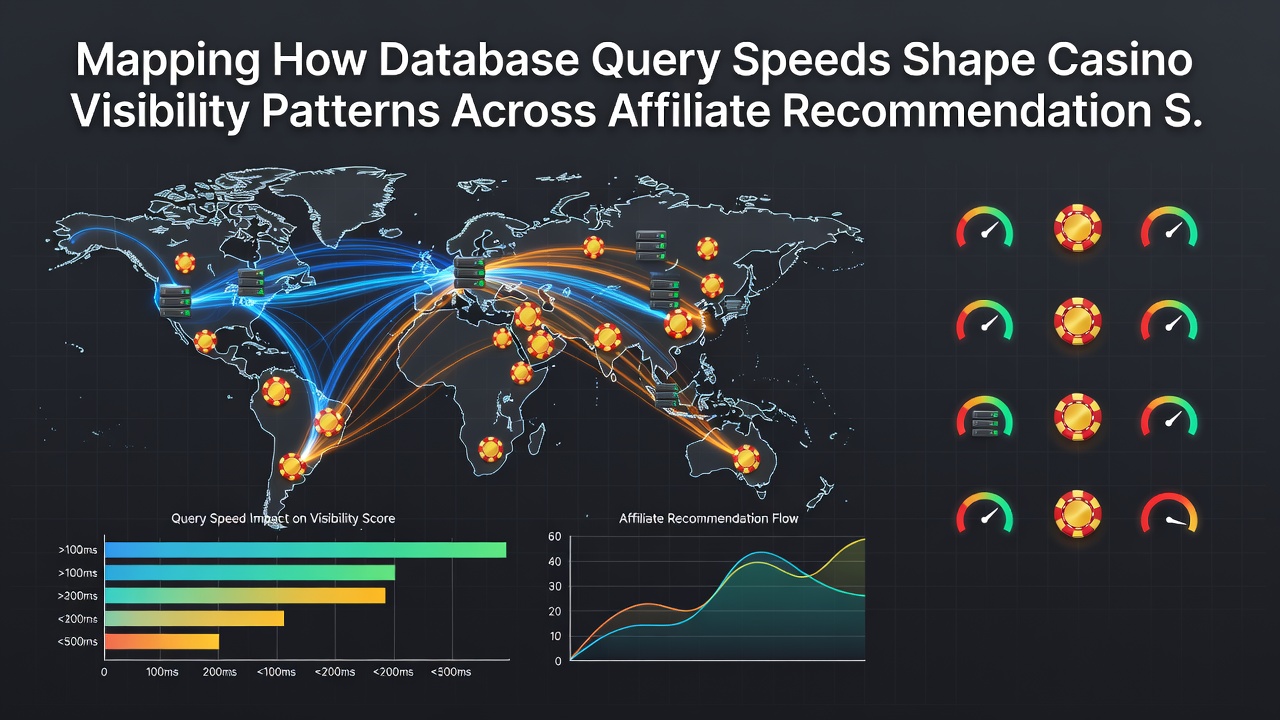
Patterns observed across these markets demonstrate that query speed improvements correlate with more balanced distribution of casino placements rather than concentration around a small number of high-profile operators. According to reports from the Malta Gaming Authority, platforms that maintained sub-100-millisecond average query times showed broader representation of smaller licensed operators in recommendation carousels during the first half of 2026.
Technical Factors Driving Visibility Shifts
Cache invalidation policies interact with query speeds to shape which casino entries remain visible over extended periods, since stale cached results bypass fresh database calls but risk displaying outdated licensing information. Engineers who monitor these systems report that selective caching combined with rapid query paths produces more stable visibility for casinos that update their promotional data frequently. In contrast, heavy reliance on full-table scans during peak hours creates temporary blind spots where newer or regionally restricted operators receive reduced exposure until query queues clear. Industry reports from the Nevada Gaming Control Board have tracked similar effects in systems that aggregate both land-based and digital operator data for cross-platform recommendations.
Additional variables include connection pooling configurations and the geographic distribution of database servers relative to affiliate traffic sources, factors that compound when international users trigger queries requiring multi-region data reconciliation. Those who have examined production logs note that even minor increases in round-trip latency between application servers and primary databases can shift entire categories of casino listings by several positions within a single recommendation cycle.
Conclusion
Database query speeds function as a foundational mechanism that determines how evenly casino visibility distributes across affiliate recommendation systems, with measurable effects on operator prominence tied directly to indexing choices, caching strategies, and regional data requirements. Evidence from multiple jurisdictions shows that platforms investing in query optimization achieve more consistent representation of diverse licensed operators, while slower configurations produce narrower visibility patterns concentrated around a limited set of entries. As regulatory datasets continue expanding through 2026 and beyond, the relationship between backend performance and frontend placement remains a central factor in how affiliate systems present casino options to users worldwide.