20 Aug 2026
How Mobile App Session Durations Influence Promotional Visibility in Cross-Platform Wagering Ecosystems
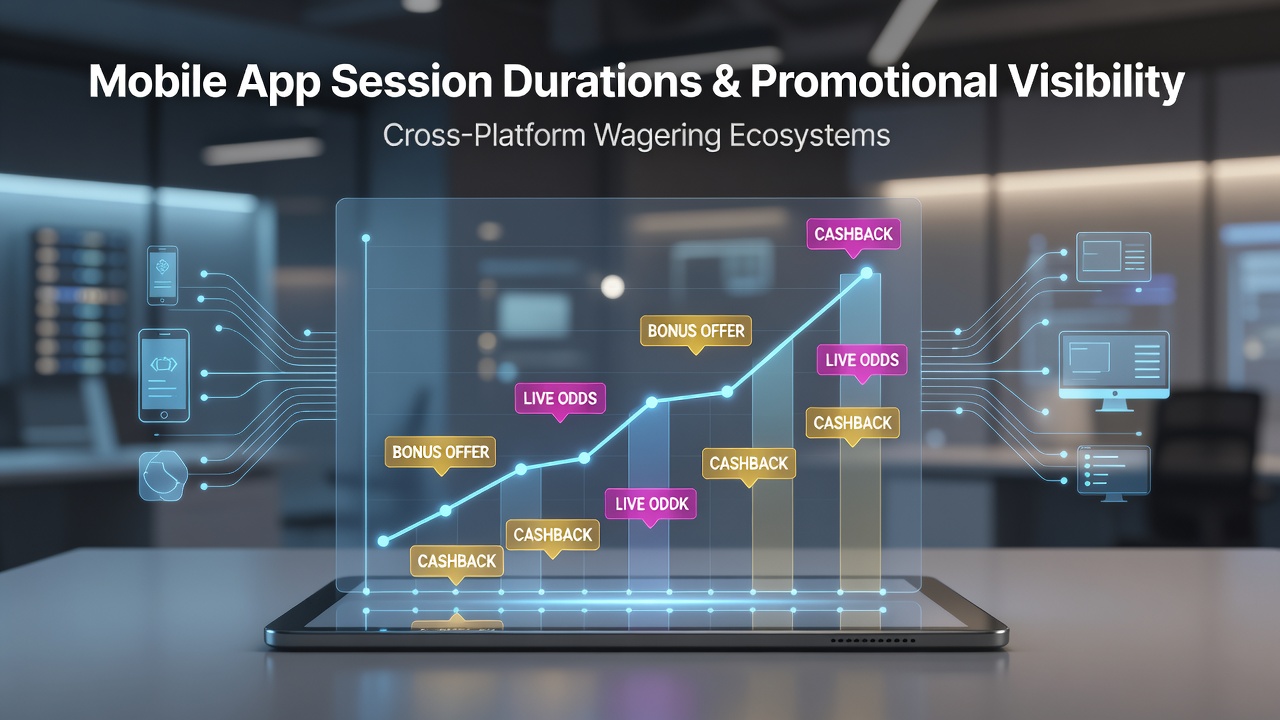
Session duration in mobile wagering applications refers to the continuous time users remain active within an app before closing it or switching tasks, and this metric shapes how promotional content gets prioritized across different operating systems and device types. Longer sessions allow algorithms to log more user interactions, which in turn feeds into ranking systems that determine which offers appear at the top of feeds or notification queues. Data from platform operators shows that sessions exceeding eight minutes correlate with higher exposure rates for targeted promotions compared to shorter bursts of activity under three minutes.
Core Mechanisms Linking Duration to Visibility
Cross-platform wagering ecosystems operate through unified back-end systems that track engagement signals from iOS and Android environments simultaneously, and session length serves as a primary input for these models because it indicates sustained interest rather than fleeting visits. When users stay longer, the system records sequences of clicks, scrolls, and game launches that help refine promotional targeting; this process occurs in real time so that banners or push notifications adjust dynamically within the same session. Research indicates that platforms using session-based scoring assign visibility scores that rise incrementally after the five-minute mark, leading to more frequent display of personalized offers while shorter sessions receive only generic placements.
Data Patterns Observed Across Regions
Analyses of user behavior in North American and European markets reveal consistent patterns where extended sessions drive increased promotional rotation, whereas brief interactions limit the algorithm's ability to surface relevant content. In August 2026 platform telemetry reports highlighted that average session times in multi-state betting apps reached 11.4 minutes, coinciding with a measurable uptick in the number of unique promotions users encountered per visit. Those who've examined the underlying datasets note that retention of users beyond the initial three minutes multiplies the probability of seeing location-specific or time-limited offers by factors reported in industry benchmarks.
Algorithmic Weighting and Cross-Platform Sync
Developers integrate session duration into machine learning frameworks that balance signals from mobile apps with web-based versions of the same wagering service, and this synchronization ensures that visibility rules remain consistent even when users switch devices mid-activity. Longer sessions generate denser data points that improve the accuracy of predictive models, allowing the system to elevate certain promotions based on inferred preferences derived from dwell time rather than isolated actions. Observers note that when session data feeds into affiliate ranking tools, platforms with higher average durations tend to secure better placement in curated lists because the engagement metrics signal stronger user retention to the network operators.
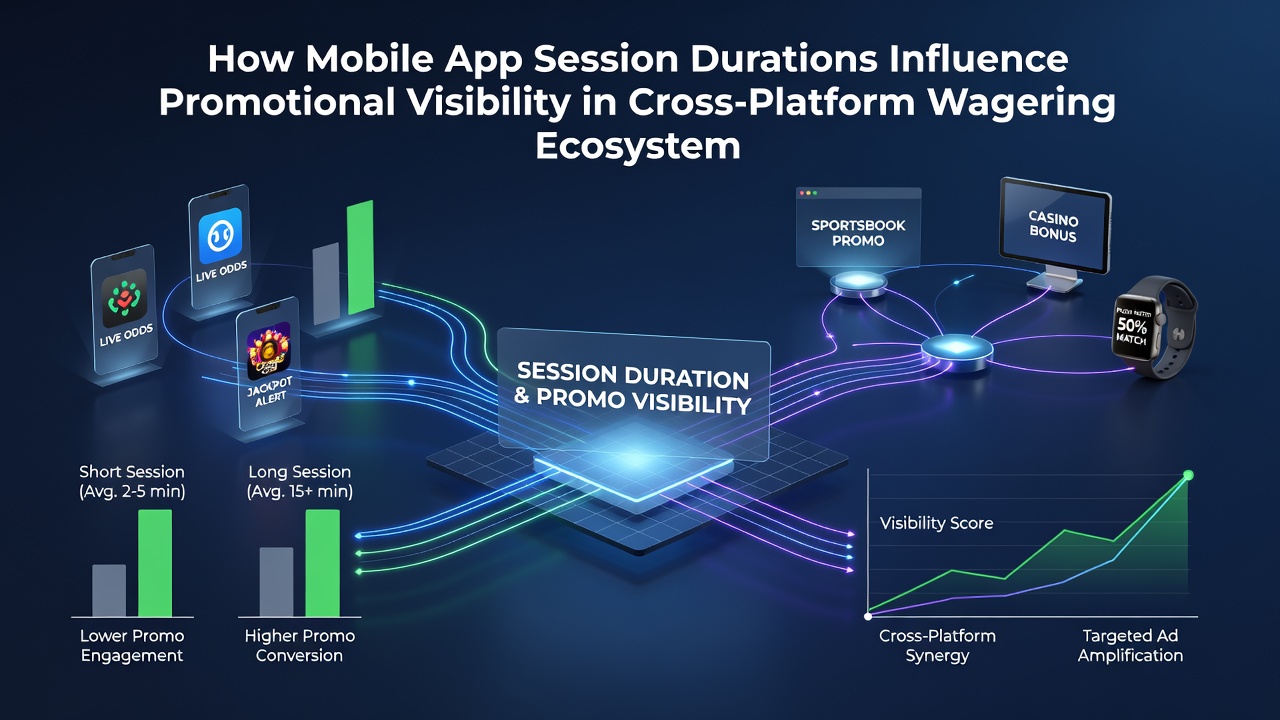
Studies conducted by academic groups such as those affiliated with the University of Nevada's gaming research initiatives have documented how these weighting systems respond to duration thresholds, with visibility multipliers applied once sessions cross defined benchmarks. The result appears in the form of expanded promotional real estate allocated to users who demonstrate prolonged engagement, while brief sessions receive compressed or delayed content delivery.
Regional Variations and Regulatory Context
Regulatory frameworks in different jurisdictions influence how session data can be used for promotional purposes, and operators in Australian markets, for instance, must align their visibility algorithms with guidelines from bodies like the Australian Communications and Media Authority. This creates variations where session duration impacts promotional reach differently than in U.S. states governed by individual gaming control boards. Figures released through industry associations show that platforms operating under stricter data-use rules still leverage duration metrics internally to optimize in-app experiences, though external sharing of such data faces additional constraints.
Take one analysis of cross-border operations where session lengths in Canadian provincial apps averaged higher than U.S. counterparts, resulting in broader promotional distribution within those ecosystems. The connection stems from the fact that sustained activity allows finer segmentation of user cohorts, which then determines the frequency and timing of offer displays across linked platforms.
Conclusion
Session duration functions as a foundational variable in determining promotional visibility within cross-platform wagering environments because it supplies the volume of interaction data needed for algorithms to prioritize and personalize content. As mobile usage continues to dominate wagering activity, the relationship between time spent in app and the prominence of offers remains a central factor tracked by operators and measured in ongoing performance reports. Those monitoring these systems find that adjustments to session-based models directly affect how promotions circulate across device types and geographic boundaries.