18 Jul 2026
How Cryptocurrency Transaction Speeds Reshape Bonus Activation Timelines in Digital Wagering Networks
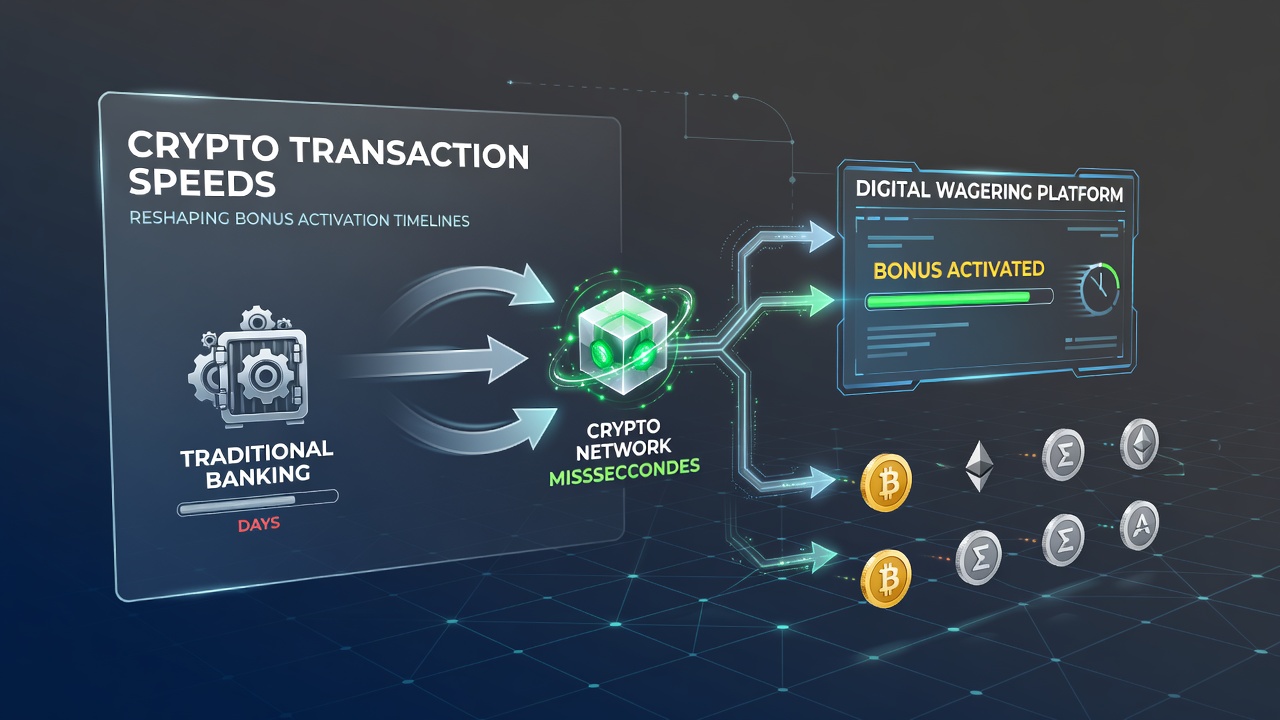
Digital wagering networks have integrated cryptocurrency options at an accelerating pace since 2023, and transaction speeds now directly determine how quickly players receive bonus credits after deposits. Networks that once processed bonuses through traditional banking rails now route many promotions through blockchain confirmations, which compresses or extends activation windows depending on the coin and network conditions. Observers note that platforms offering Bitcoin or Ethereum deposits often complete bonus activations within minutes when blocks confirm rapidly, whereas slower chains introduce delays that stretch the same process across hours.
Transaction Speed Variations Across Major Cryptocurrencies
Bitcoin processes roughly seven transactions per second under normal load, yet confirmation times fluctuate with network congestion and fee markets, so bonus systems tied to this coin require multiple block confirmations before crediting promotional funds. Ethereum shifted to proof-of-stake in 2022 and now averages twelve-second block times, which allows many operators to release matched bonuses faster once the deposit transaction reaches finality. Litecoin and Ripple achieve even quicker settlement in some cases, with average confirmation windows measured in seconds rather than minutes, and data from several European platforms shows these coins trigger bonus releases thirty to forty percent sooner than Bitcoin equivalents during peak trading periods.
Layer-two solutions built on Ethereum further reduce latency, and operators began routing a larger share of bonus deposits through these channels in early 2025. Those who've studied platform logs report that Polygon-based deposits frequently activate welcome bonuses in under ninety seconds, while base-layer Ethereum transactions still require two to three minutes on average before the wagering engine unlocks the promotional balance. The difference becomes measurable when networks experience high traffic, because gas fees and queue lengths directly influence the moment a bonus code becomes usable.
Impact on Bonus Activation Timelines
Bonus activation depends on three sequential steps: deposit detection, blockchain confirmation, and internal ledger update. Faster coins shorten the middle step, which moves the entire sequence forward. Platforms that advertise instant bonus credit for certain cryptocurrencies achieve this by accepting lower confirmation thresholds or by using payment processors that front the funds against pending transactions. Research indicates that networks employing such processors reduced average activation time from eight minutes to under two minutes for supported coins between January and June 2026.
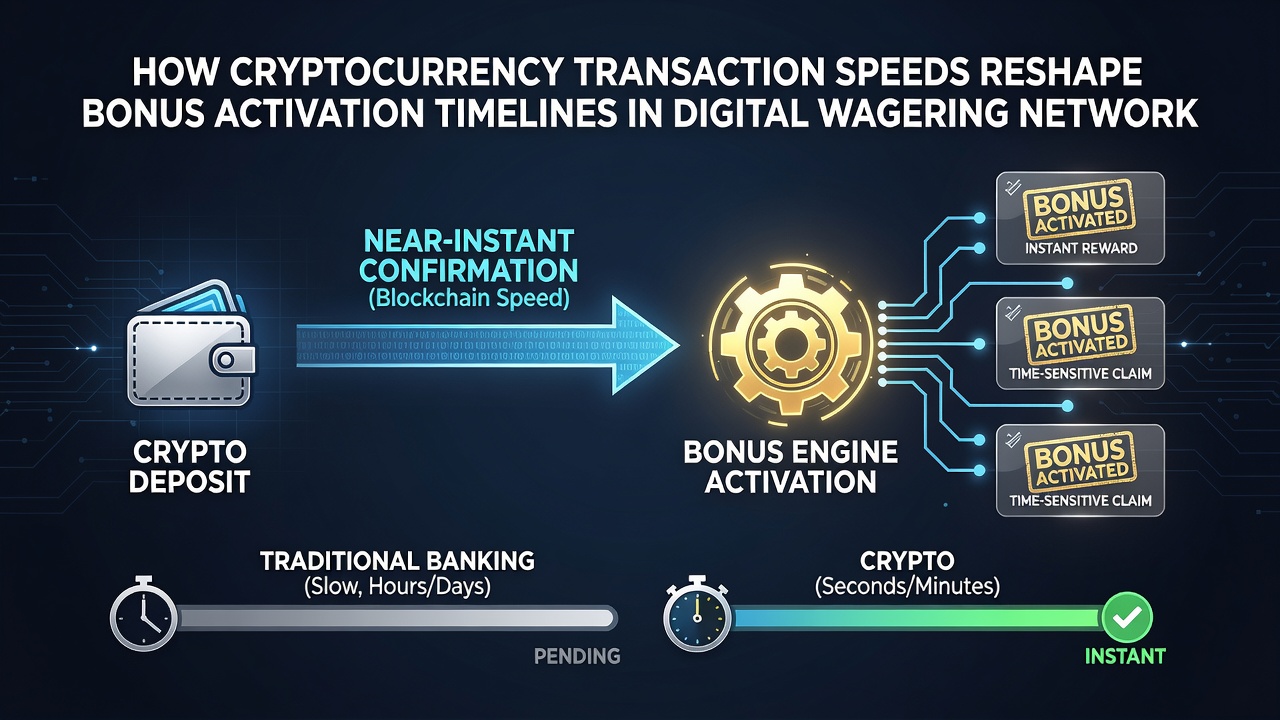
Operators also adjust bonus structures according to coin speed. Some sites now offer larger match percentages exclusively for deposits made with fast-settling assets, because quicker confirmation reduces the risk window during which a transaction could theoretically reverse. Those adjustments appear in promotional terms updated across multiple jurisdictions, and figures from industry tracking services reveal that fast-coin bonuses now represent a growing share of total promotional volume.
Regulatory and Operational Adjustments
Regulators in several regions began requesting clearer disclosure of activation timelines once cryptocurrency deposits exceeded twenty percent of total volume on licensed platforms. Australian authorities, for instance, issued updated guidance in March 2026 that requires operators to state expected bonus credit times for each accepted cryptocurrency. Canadian provincial regulators followed with similar requirements effective July 2026, emphasizing that players must receive accurate estimates rather than blanket promises of instant activation. These rules reflect the practical reality that confirmation times vary and cannot be guaranteed uniformly across all coins.
Payment processors responded by offering hybrid solutions that combine on-chain monitoring with off-chain reserves, allowing platforms to credit bonuses before full confirmation while still maintaining compliance. One study released by a European research consortium found that platforms using these hybrids experienced fewer player complaints about delayed bonuses compared with those relying solely on on-chain finality. The same report noted that complaint volumes dropped most sharply when operators published real-time network status indicators alongside their bonus terms.
Network Congestion and Peak Period Effects
During high-volatility periods, such as major sporting events or market movements, blockchain networks experience increased transaction volume that can double average confirmation times. Wagering platforms that route all bonuses through a single coin therefore see activation queues lengthen, and some operators began implementing dynamic routing that switches to faster networks automatically when primary chains slow. Those who've analyzed transaction logs from 2025 observed that such routing reduced the longest activation delays by nearly half during tournament finals and major economic announcements.
Players depositing during these peaks sometimes notice that bonus codes appear only after they manually select an alternative cryptocurrency at checkout. The choice matters because networks with lower base fees attract fewer competing transactions and therefore maintain steadier confirmation speeds even under load.
Conclusion
Cryptocurrency transaction speeds have become a measurable variable in bonus activation timelines across digital wagering networks. Faster coins and layer-two solutions compress the interval between deposit and credit, while slower chains extend it, and operators adjust both technical routing and promotional terms accordingly. Regulatory updates scheduled for July 2026 in multiple jurisdictions will likely standardize disclosure of these timelines, giving players clearer expectations when selecting deposit methods. Data from platform operators and research groups shows that the relationship between blockchain performance and bonus delivery continues to evolve as networks scale and processors introduce new hybrid models.