18 Aug 2026
How Ad Blocker Prevalence Reshapes Engagement Patterns Across Leading Digital Gambling Platforms
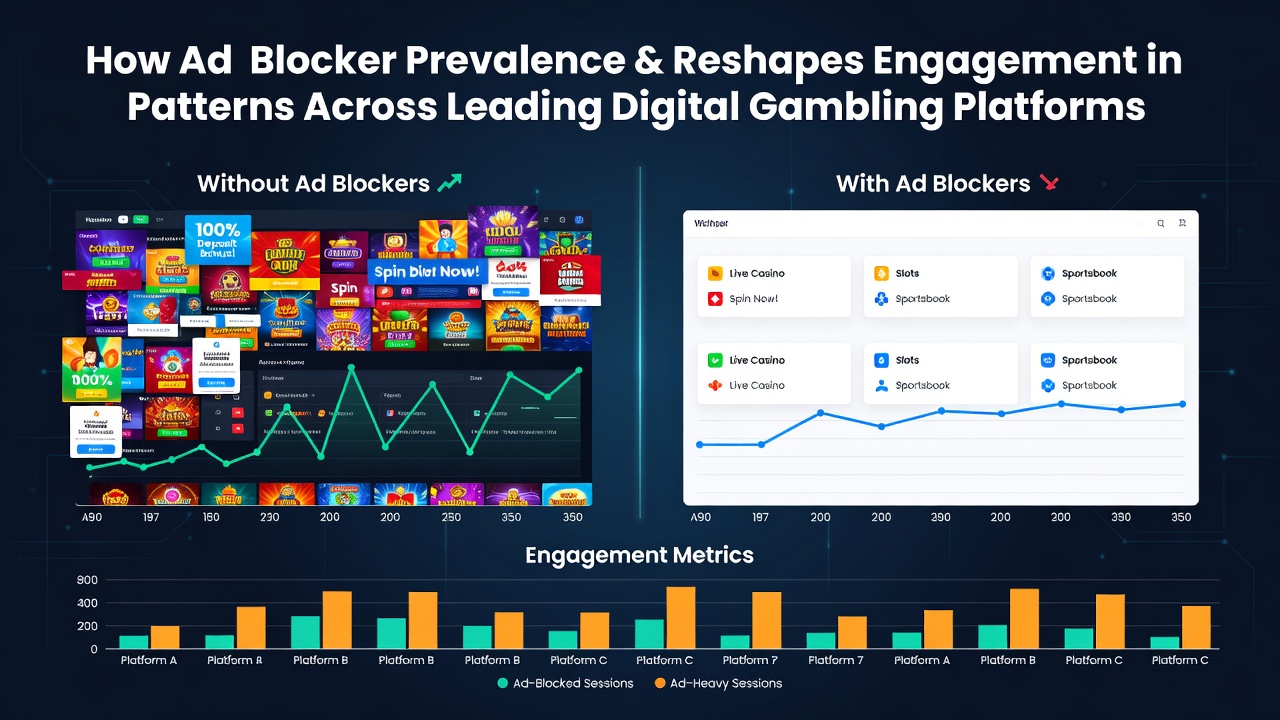
Ad blocker usage continues to climb across desktop and mobile browsers, and this shift directly influences how users interact with digital gambling platforms through reduced ad visibility and altered referral pathways. Data from industry tracking services shows that roughly one in three desktop users now employs some form of blocking software, while mobile adoption rates have risen steadily since 2023. Gambling operators rely heavily on display advertising and affiliate promotions to drive initial visits, so changes in ad delivery create measurable differences in session starts and registration flows.
Adoption Rates and Platform Reach
Figures from multiple research firms indicate higher adoption among users aged 25 to 44, a demographic that also represents a large share of online gambling activity in regulated markets. When ad blockers strip away promotional banners and pop-ups, platforms experience drops in organic discovery from general web traffic, forcing greater dependence on direct bookmarks, email campaigns, and search engine optimization. Observers note that sites with strong brand recognition maintain steadier engagement because repeat visitors bypass ad-dependent entry points altogether, whereas newer or regional platforms see steeper declines in first-time sessions.
Shifts in User Acquisition Channels
Affiliate networks that once depended on banner placements report reduced click-through volumes, and many have pivoted toward content-driven placements and native recommendations that evade typical filter lists. Studies compiled by the European Gaming and Betting Association reveal that operators allocating larger budgets to search and influencer partnerships record smaller engagement losses compared with those focused on programmatic display. In markets such as Australia and parts of Canada, regulatory caps on certain advertising formats compound the effect, pushing platforms to refine their landing page experiences for users arriving through non-ad routes.
Changes in Session Behavior and Retention
Once users reach a platform, ad blockers rarely affect in-site functionality, yet the initial filtering alters the composition of arriving traffic. Analysts tracking clickstream data observe that visitors arriving via organic search or direct links tend to exhibit longer average session durations and higher deposit conversion rates than those funneled through blocked ad creatives. This pattern emerges because filtered users often represent higher-intent players who actively seek specific operators rather than responding to impulse-driven promotions.
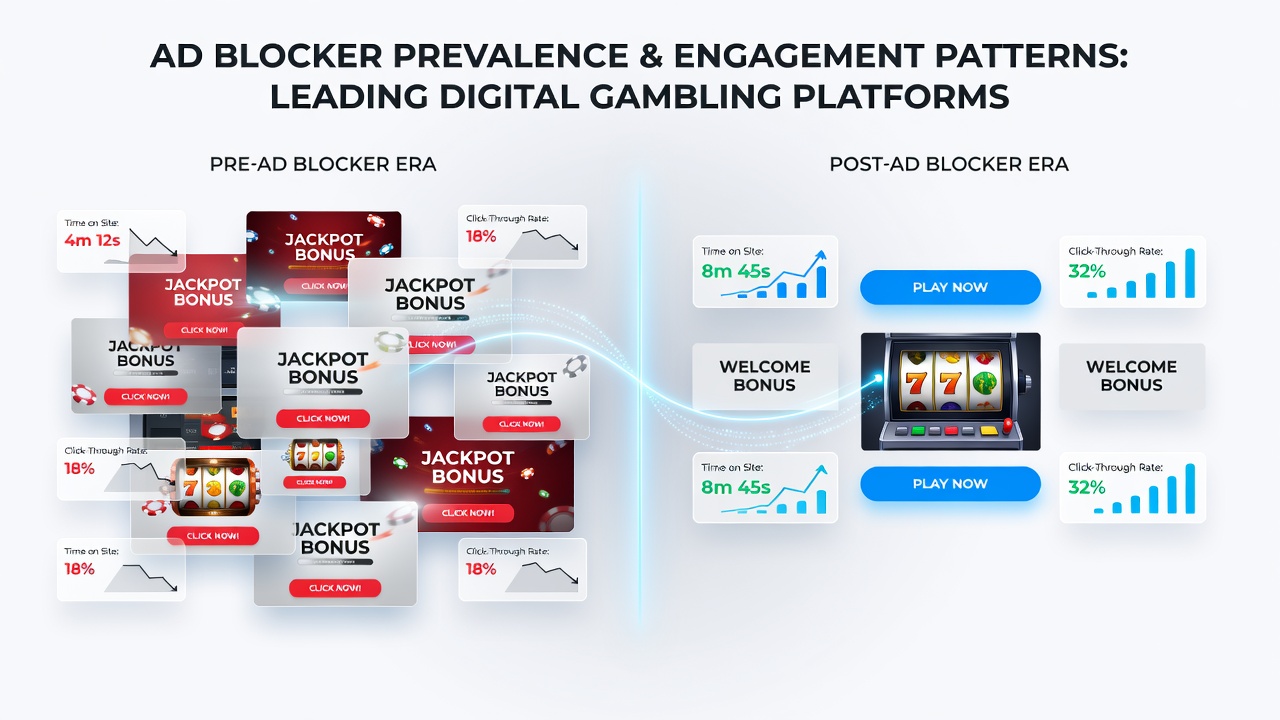
Platform operators respond by tightening their onboarding sequences and emphasizing personalized content once a user lands, since the cost of acquiring each visitor has effectively risen. Retention metrics remain stable among existing account holders, but new player acquisition requires more sophisticated measurement of lifetime value to offset the narrower top-of-funnel reach.
Technical Adaptations and Measurement Challenges
Many gambling sites now implement server-side rendering and first-party data strategies to reduce reliance on third-party tracking pixels that ad blockers commonly target. Reports from the International Association of Gaming Regulators highlight ongoing discussions around standardized attribution models that account for blocked impressions, helping operators and regulators alike understand true reach. Because cookie consent frameworks already limit tracking in several jurisdictions, ad blocker growth adds another layer of complexity to accurate performance reporting across campaigns.
Platforms that integrate directly with major affiliate content sites or maintain active social channels report steadier traffic volumes even as broad display advertising loses effectiveness. Researchers tracking these trends note that successful operators treat ad blocker prevalence as a permanent feature of the digital landscape rather than a temporary obstacle, adjusting budget allocations accordingly.
Regional Differences in Impact
North American markets show varied responses depending on state-level advertising rules, while European operators face additional constraints from both ad blocker software and stricter transparency requirements. In Asia-Pacific regions, where mobile usage dominates, operators experiment with in-app messaging and push notifications that function independently of browser-based blockers. These regional distinctions mean global platforms must maintain flexible acquisition mixes rather than uniform strategies.
Conclusion
Ad blocker prevalence continues to influence how leading digital gambling platforms attract and retain users by narrowing traditional advertising channels and elevating the importance of direct, search, and content-based pathways. Operators that adapt measurement frameworks, diversify acquisition sources, and focus on post-arrival engagement demonstrate more resilient patterns amid these ongoing shifts. Data from regulatory bodies and industry associations will likely guide further refinements as both technology and user habits evolve.