2 Jul 2026
Decoding the Impact of In-App Purchase Histories on Casino Platform Selections Within Recommendation Algorithms
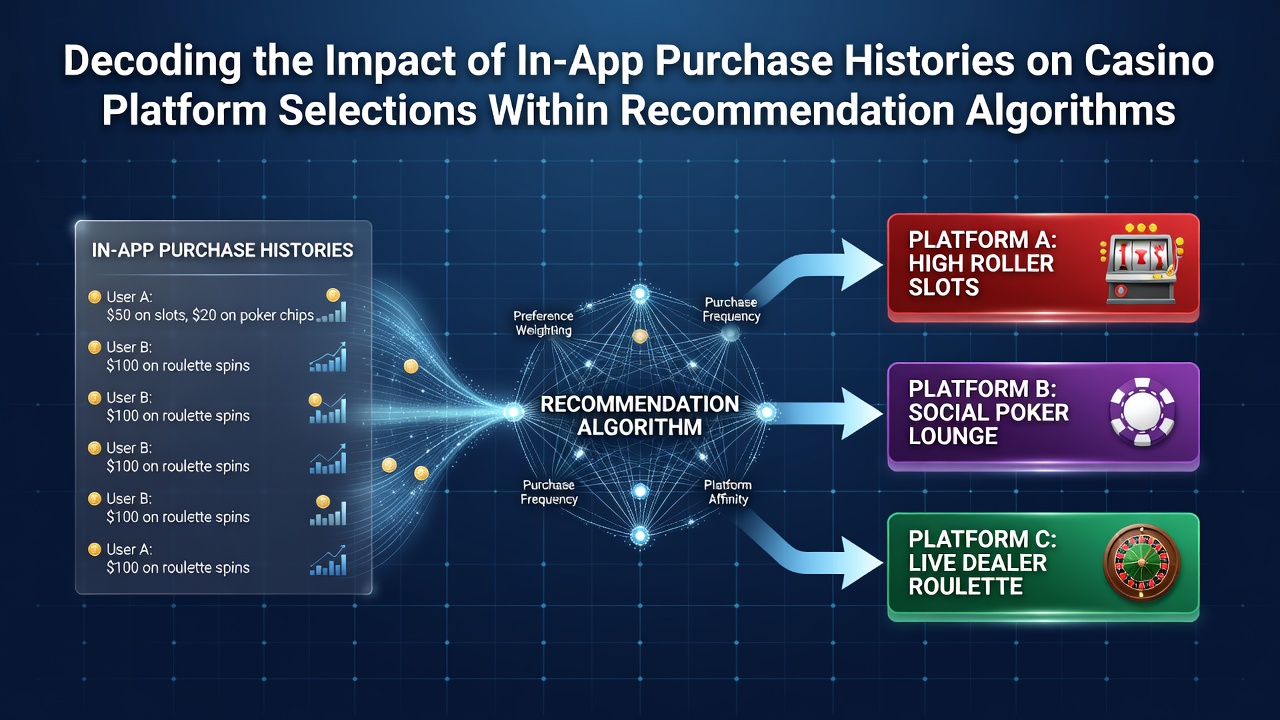
Recommendation algorithms in casino platforms process large volumes of user data to suggest games, features, and sometimes entire platform shifts based on patterns that emerge from daily interactions, and in-app purchase histories represent one of the more direct signals available to these systems. Observers note that when users complete purchases for virtual credits, tournament entries, or bonus unlocks the resulting transaction records feed into models that weigh spending frequency, average transaction size, and preferred payment methods against broader user segments. Researchers have tracked how these details allow platforms to prioritize certain recommendations over others, particularly when cross-referencing purchase timing with login patterns or game completion rates.
Mechanics Behind Data Integration
Algorithms typically begin by mapping purchase events to user profiles through unique identifiers that persist across sessions, which enables the system to build longitudinal views rather than isolated snapshots. Data shows that high-frequency purchasers often receive prompts for premium game modes or exclusive tables because the models assign higher retention probabilities to these accounts. Those who've studied similar systems in mobile entertainment report that purchase velocity, defined as the rate at which users add funds within a rolling window, serves as a stronger predictor than one-time large spends. This distinction matters because algorithms adjust weighting coefficients dynamically as new transactions arrive, allowing recommendations to shift within hours rather than days.
Platform Selection Signals
When users operate multiple casino applications the purchase history from one app can influence suggestions to migrate toward another platform that the algorithm deems better matched to spending behavior. Evidence indicates collaborative filtering techniques compare one user's transaction sequences against anonymized clusters, surfacing platforms where similar spenders report longer engagement periods. For instance, a user whose history shows repeated small-stake purchases might see recommendations for platforms known for frequent micro-event promotions, whereas larger single purchases correlate with suggestions for high-limit environments. These transfers happen silently through push notifications or in-app banners that reference the user's established preferences without disclosing the underlying data sources.
What's interesting is how geographic and regulatory layers further shape these outputs. Platforms licensed in jurisdictions with strict data-handling rules must anonymize or aggregate purchase records before feeding them into cross-border recommendation engines, which can dilute the precision of suggestions compared with less restrictive markets. Figures from industry analyses reveal that algorithms trained on mixed regulatory datasets sometimes underperform when applied to users in stricter regions because the training signals lack granular transaction details.
Privacy Frameworks and Data Handling
Regulatory bodies across different regions impose varying requirements on how in-app purchase histories may be stored and reused for algorithmic purposes. The Nevada Gaming Control Board maintains guidelines that require explicit consent mechanisms before purchase data enters recommendation models, and similar frameworks exist in other North American jurisdictions. Observers have documented cases where platforms adjusted their data pipelines after audits revealed insufficient separation between transaction logs and personalization engines. In Australia the Australian Communications and Media Authority has examined data flows in entertainment apps, noting that purchase histories can reveal sensitive behavioral indicators when combined with location or device data.
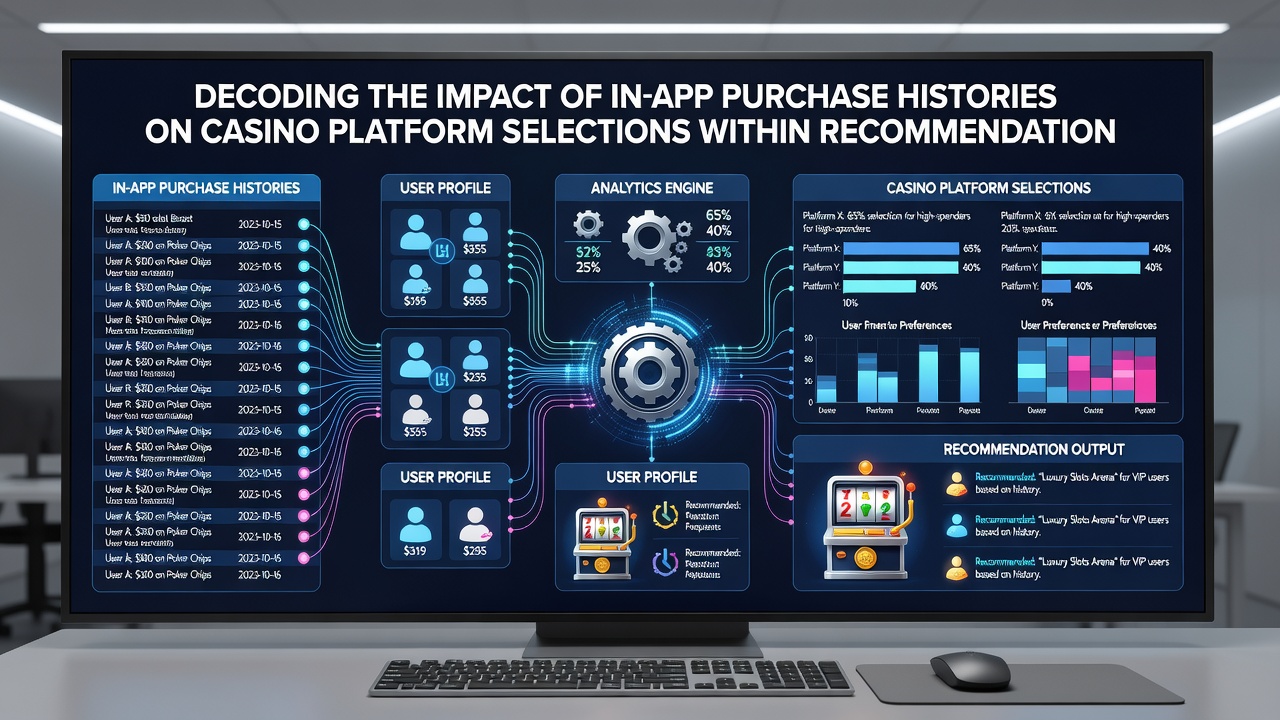
Those who've examined implementation details find that some platforms employ differential privacy techniques to add statistical noise to purchase datasets before model training, which reduces the risk of individual identification while preserving aggregate trends. This approach allows recommendation accuracy to remain high enough for commercial use even as individual transaction details become harder to isolate. Research from academic groups in Canada has explored how such noise injection affects the ranking of suggested platforms, showing measurable but often acceptable drops in precision for users with sparse purchase histories.
Trends Observed Through Mid-2026
By July 2026 several platforms had begun testing real-time feedback loops that update recommendations immediately after each in-app purchase rather than relying on batch processing at the end of the day. This shift emerged as hardware improvements allowed on-device model inference, reducing latency between a completed transaction and the next suggested platform. Data indicates that users who receive these immediate suggestions demonstrate higher rates of exploring alternative casino environments within the same week. Industry reports also highlight increased experimentation with federated learning, where models train across multiple devices without centralizing raw purchase records, addressing some of the cross-jurisdictional concerns mentioned earlier.
One study revealed that platforms incorporating purchase-velocity features into their algorithms saw improved differentiation between casual and committed users, leading to more targeted platform-switch prompts. The same study noted that these improvements appeared most pronounced in markets where users maintained several active casino applications simultaneously. Observers note that such differentiation helps algorithms avoid over-recommending high-stakes environments to accounts whose histories show predominantly low-value activity.
Conclusion
In-app purchase histories function as persistent signals within recommendation algorithms that shape which casino platforms surface for individual users, and the integration of these signals continues to evolve alongside regulatory and technical developments. The patterns documented through 2026 show that transaction frequency, size, and velocity each contribute distinct weights to model outputs, while privacy-preserving techniques help balance commercial utility with compliance requirements across regions. As platforms refine real-time processing and federated approaches, the pathways through which purchase data influences platform selection are likely to become both more efficient and more constrained by jurisdictional rules.