30 Jul 2026
Charting Micro-Interaction Patterns That Steer Casino Visibility Inside Affiliate Data Pipelines
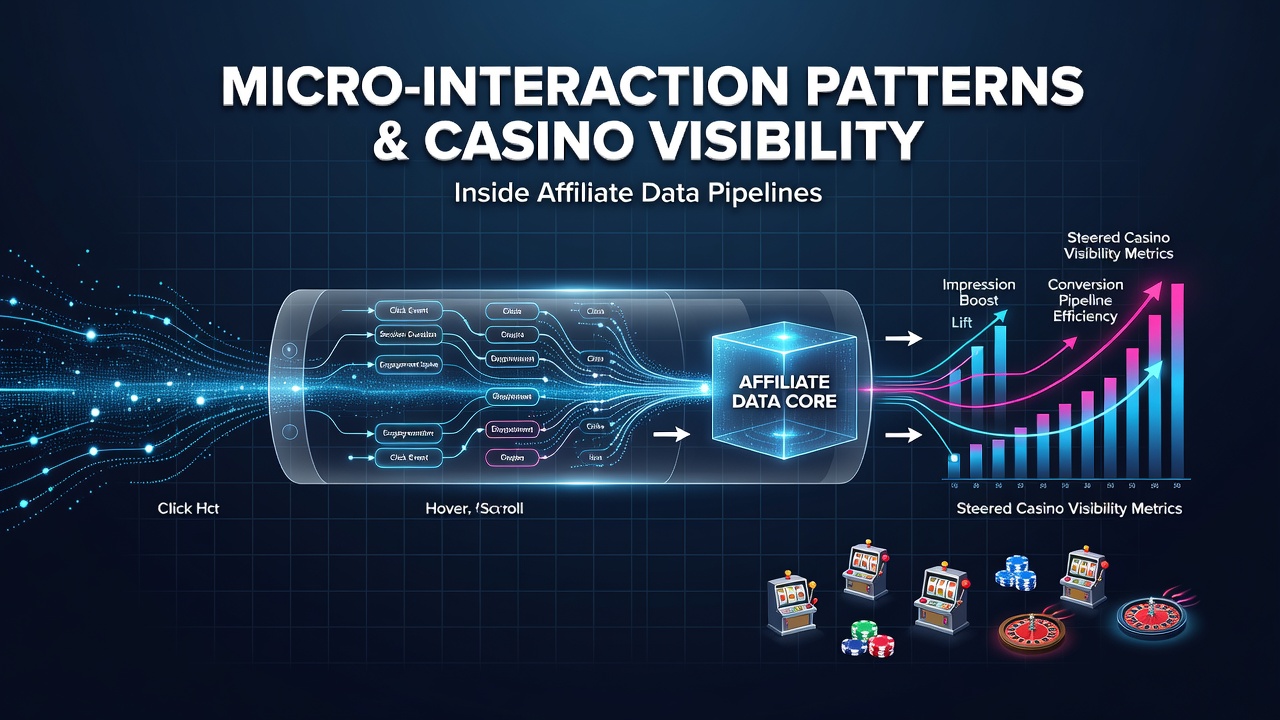
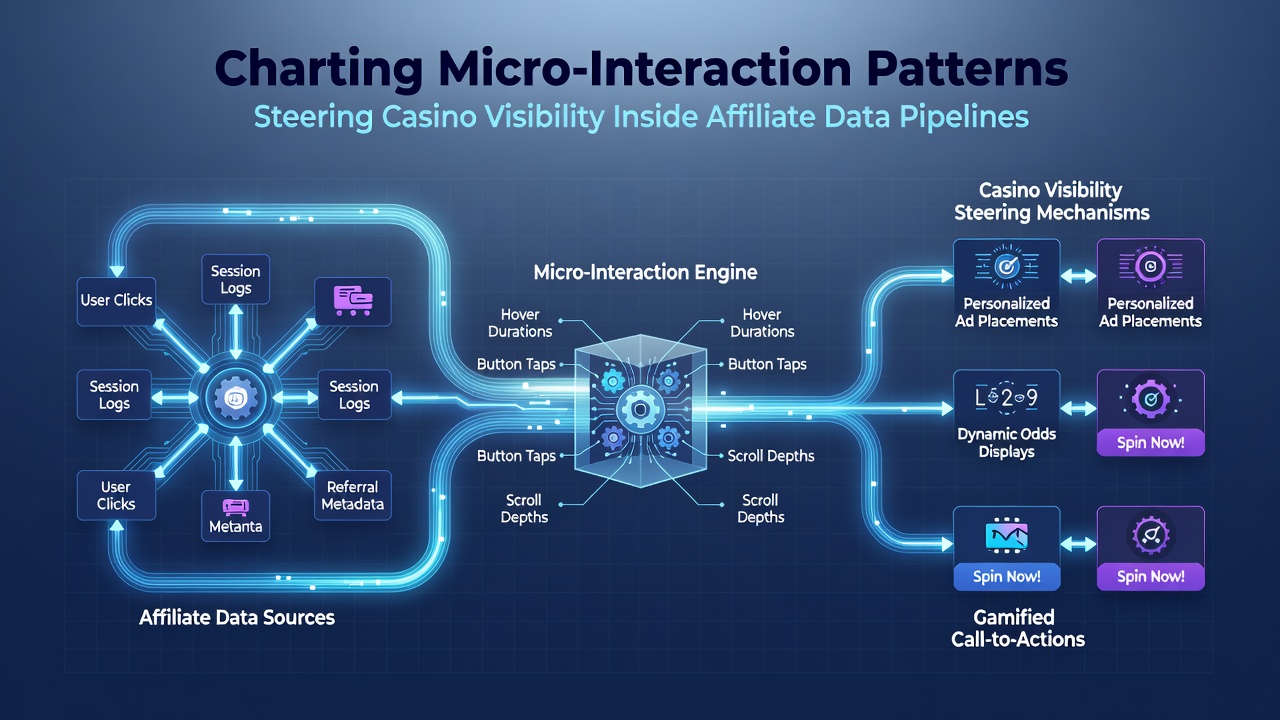
Analysts track micro-interactions such as hover duration on casino banners, scroll velocity through review sections, and click hesitation intervals on comparison tables because these signals feed directly into ranking algorithms within affiliate data pipelines, and the patterns determine which platforms surface higher in curated lists. Data pipelines collect granular telemetry from user sessions on affiliate sites, then process it through layered aggregation systems that assign visibility scores based on engagement density rather than simple page views alone.
Core Components of Micro-Interaction Tracking
Tracking scripts capture elements including mouse trajectory curves over promotional tiles, dwell time on payout percentage charts, and tap pressure variations on mobile review cards, while backend processors normalize these inputs into feature vectors that machine learning models use to predict conversion likelihood. Researchers at institutions focused on digital commerce have documented how even minor shifts in interaction sequences, such as repeated returns to a specific casino logo within a single session, correlate with elevated placement priority inside downstream recommendation engines. Pipelines integrate these signals with session metadata like device orientation changes and tab switch frequency, creating composite profiles that influence how often a given operator appears across multiple affiliate properties.
Pipeline Architecture and Signal Propagation
Affiliate networks route collected micro-data through real-time ingestion layers that apply filtering rules before forwarding refined datasets to ranking modules, and these modules recalculate visibility weights every few hours based on aggregated interaction clusters from thousands of concurrent users. The architecture typically involves event queues that handle bursts of scroll and click events, followed by feature extraction stages where algorithms identify patterns such as rapid expansion of terms-and-conditions accordions or repeated highlighting of bonus expiry dates. Observers note that propagation delays in these queues can temporarily suppress certain casinos in results until sufficient new interaction data refreshes their scores, particularly during peak traffic periods when pipelines experience higher event volumes.
Regional Data Variations and July 2026 Updates
Geographic differences emerge when pipelines incorporate location-based interaction modifiers, with users in certain jurisdictions showing distinct patterns around time spent examining licensing badges versus bonus wagering requirements. In July 2026 several pipeline operators began incorporating updated telemetry schemas that better distinguish between intentional micro-interactions and automated bot signals, resulting in measurable shifts for operators whose visibility depended heavily on older engagement heuristics. Studies from the International Gaming Institute indicate these refinements produced more stable ranking distributions across North American affiliate networks during subsequent months.
Examples of Pattern Influence on Visibility
One documented case involved an operator whose placement improved after affiliate data revealed consistent user sequences of viewing game thumbnail galleries followed by immediate visits to the responsible gaming footer links, a combination that models interpreted as high-intent engagement. Another instance showed how prolonged hover activity over payment method icons correlated with stronger algorithmic preference for that platform in subsequent curation cycles. These examples illustrate how pipelines translate isolated behaviors into cumulative visibility advantages without relying on traditional traffic volume metrics alone.
Integration With External Regulatory Frameworks
Compliance considerations intersect with these tracking systems when pipelines must respect data minimization principles outlined by bodies such as the European Gaming Regulators Association, requiring selective retention of interaction logs rather than indefinite storage of all hover and scroll events. Australian regulatory guidelines similarly emphasize transparent handling of behavioral signals, prompting several networks to implement consent checkpoints before micro-interaction data enters visibility scoring calculations. Such frameworks influence pipeline design choices around which specific interaction types receive processing priority.
Technical Refinements in Signal Processing
Modern pipelines employ sequence modeling techniques that weigh temporal order of micro-interactions, recognizing that a user who examines RTP tables before bonus details generates different visibility implications than the reverse sequence. Edge computing nodes now handle preliminary pattern detection closer to the user device, reducing latency in feeding refined signals back to central ranking systems. These refinements allow affiliates to maintain fresher visibility adjustments based on the most recent interaction batches rather than relying solely on daily aggregated reports.
Conclusion
Pipeline operators continue refining how micro-interaction data shapes casino prominence by incorporating additional contextual signals and improving model transparency, while regulatory developments across multiple jurisdictions guide the boundaries of permissible tracking depth. The resulting visibility outcomes reflect cumulative patterns rather than isolated events, creating a dynamic environment where small behavioral shifts can produce sustained placement changes across affiliate ecosystems.